
Rhinoplasty Bellevue
Rhinoplasty in Bellevue with Albert Yang, MD is a structural reshaping of the nose — its bone, cartilage, and overlying soft tissue — designed to refine the appearance of the dorsum, tip, and overall nasal balance while preserving or improving breathing function.
 [ PROCEDURE · OVERVIEW ]
 What is Rhinoplasty Bellevue?
Rhinoplasty is among the most technically demanding procedures in facial plastic surgery. The nose is a small, central, three-dimensional structure built from a delicate framework of cartilage and bone covered by skin and soft tissue. Small changes to that framework — measured in millimeters — produce substantial visible differences. Conversely, technical errors are not forgiving: a poorly executed rhinoplasty is among the most difficult procedures to revise.
A rhinoplasty can address a number of distinct concerns: a dorsal hump or convexity along the bridge, a wide or narrow nasal bridge, an over-projected or under-projected tip, a drooping or rotated tip, asymmetry, post-traumatic deformity, breathing obstruction from a deviated septum or collapsed valves, and changes after a previous unsuccessful surgery. Most rhinoplasties address several of these in a single operation. The goal across all of them is a result that is balanced with the rest of the face and that supports — rather than compromises — long-term breathing function.
The Bellevue practice offers rhinoplasty in several technical variants, selected based on patient anatomy and goals. These include Open Rhinoplasty, Closed Rhinoplasty, Ethnic Rhinoplasty, and Preservation Rhinoplasty. The right approach depends on what the patient's nose requires, not on a default preference. The full menu of nasal surgery is available under Rhinoplasty and nasal surgery.
Ideal Candidates
Strong candidates for rhinoplasty share several characteristics. They have a clear understanding of what aspect of the nose they want to change — a hump, a tip, asymmetry, breathing — and a realistic sense of how that change will integrate with the rest of their face. They are at full skeletal maturity (typically 16 or older for women, 17 or older for men), in good general health, do not smoke, and are willing to commit to the longer healing timeline that rhinoplasty requires.
Most rhinoplasty patients fall into one of three groups. Primary cosmetic rhinoplasty patients — typically in their twenties through forties — present with a longstanding aesthetic concern about their nose. Functional or combined functional-cosmetic patients present with breathing difficulty (often septal deviation or valve collapse) and may also want aesthetic refinement at the same time. Revision rhinoplasty patients present with a result from a prior surgery that did not meet expectations or that has changed unfavorably with healing. The technical demands of revision rhinoplasty are meaningfully higher than primary cases, and most revision work in fellowship-trained hands uses an open approach with cartilage grafting.
The procedure is not the right answer for patients with skeletal immaturity, uncontrolled medical conditions affecting healing, body dysmorphic concerns about the nose, expectations that don't match their underlying anatomy, or active nicotine use. Dr. Yang's consultation includes a structural examination, a discussion of what the patient's anatomy supports, and — for some patients — a candid recommendation against surgery or against certain specific changes.
The Procedure & Technique
The Bellevue practice's approach to rhinoplasty mirrors modern structural rhinoplasty principles: preservation of underlying support structures, controlled reshaping of cartilage rather than aggressive resection, judicious use of cartilage grafts where structure needs to be added, and protection of the nasal airway throughout. The specific technique chosen — open vs closed, structural vs preservation — depends on the patient's anatomy and goals.
Surgery is typically performed under general anesthesia in an accredited surgical facility, on an outpatient basis. Operative time for a primary rhinoplasty is typically 2 to 4 hours; revision and ethnic rhinoplasty cases often run longer due to the additional grafting often required.
Open rhinoplasty. A small incision is made across the columella (the strip of tissue between the nostrils) and connected to incisions inside each nostril. The skin is then carefully elevated to expose the underlying cartilage and bone framework. This approach gives the surgeon direct visualization of the nasal structures and is generally preferred for tip work, asymmetry correction, revision rhinoplasty, and ethnic rhinoplasty. The columellar incision typically heals to a fine, well-camouflaged line.
Closed rhinoplasty. All incisions are placed inside the nose, with no external incision. This approach avoids any visible scar but offers more limited visualization of the underlying structures. It is well-suited to focused dorsal-hump reduction in patients with otherwise favorable anatomy and selected tip work in experienced hands. Detailed information about both approaches is available on the Open Rhinoplasty and Closed Rhinoplasty procedure pages.
Dorsal work. A dorsal hump is reduced through controlled removal of cartilage and bone, often followed by lateral osteotomies (controlled bone fractures along the sides of the nose) to close any open roof and produce a smooth, narrow bridge. Modern preservation techniques, used selectively, reshape the dorsum without removing the underlying support structures.
Tip work. The lower lateral cartilages — the structures that define tip shape, projection, and rotation — are reshaped using suture techniques and selectively trimmed. When additional support is needed, cartilage grafts (typically harvested from the septum, occasionally from ear or rib) are used to refine and stabilize tip projection and definition.
Septal and functional work. A deviated septum is corrected (septoplasty) at the same time as the cosmetic work when relevant; collapsed internal or external nasal valves are reinforced with spreader grafts or batten grafts to maintain airway function. The Bellevue practice does not separate "cosmetic" from "functional" goals during planning; both are addressed in the same operation when both are present.
At the conclusion of surgery, an external splint is applied to the nasal bridge for the first week, with internal splints or soft packing inside the nose for variable durations depending on what was performed.
Recovery & Timeline
Rhinoplasty recovery is staged over months. The visible recovery — bruising and swelling — resolves substantially in the first few weeks; the underlying healing of cartilage, bone, and soft tissue continues for a year or longer. Patients should plan accordingly.
Days 1–7. The external nasal splint stays in place for the first week. Bruising under the eyes (sometimes including modest "raccoon eyes" for several days) and swelling of the upper face peak in the first 48 to 72 hours and then begin to resolve. Internal nasal congestion is significant during this period; nasal breathing through the operated airway is limited, and patients breathe primarily through the mouth at night. Pain is typically mild to moderate and managed with non-opioid analgesics and a short course of opioids if needed.
Week 1–2. The external splint is removed at 6 to 8 days, along with any external sutures along the columella (in open cases). Internal splints, if used, are removed during the same visit or shortly after. By the end of week 2, most patients can return to office-based work and routine social activity, though residual swelling — particularly across the dorsum and tip — persists.
Weeks 3–6. Cardiovascular exercise is generally cleared at 3 to 4 weeks; weight training, contact sports, and any activity with a meaningful risk of nasal impact are restricted longer (often 6 to 8 weeks for non-contact and 3 months for higher-risk activities). Most patients consider their nose presentable in the third week, though they continue to see swelling that observers may not notice.
Months 2–6. The dorsum and middle vault settle progressively as bone and cartilage heal in their new positions. The tip, which is the slowest area to settle due to its dense soft-tissue envelope, refines gradually over this period.
Months 6–18. The final result emerges. Tip refinement can continue for a full year or longer in some patients, particularly those with thicker skin. Most patients consider their result "settled" by 6 to 9 months, with subtle continued refinement up to 12 to 18 months in patients with thicker skin or in revision cases.
For Bellevue and Eastside patients, most take 7 to 14 days off office work for primary rhinoplasty. Patients in on-camera roles or with significant public-visibility commitments often plan for a longer initial recovery window.
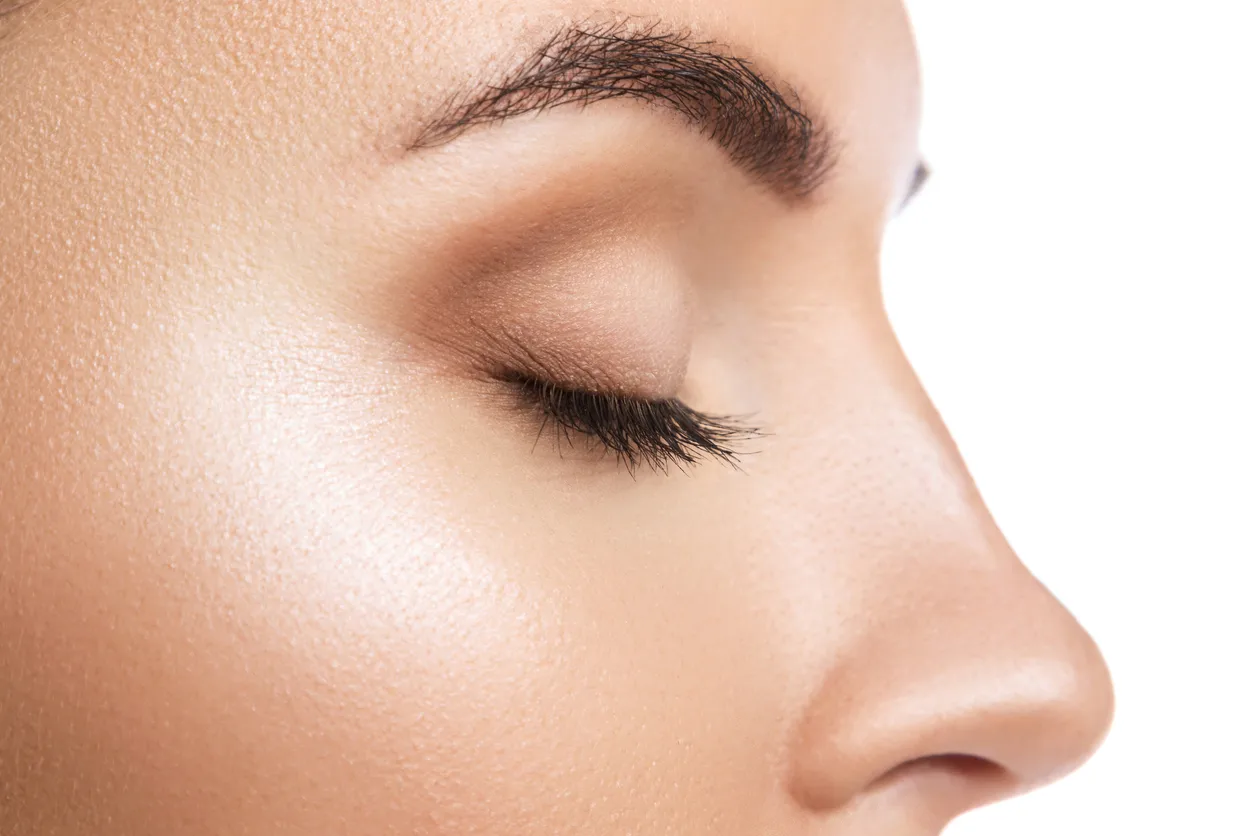 [ EXPECTED RESULTS ]
 Expected Results
A well-planned, structurally sound rhinoplasty produces a nose that is balanced with the rest of the face and that reflects the patient's underlying anatomy. The result is most often subtle to others but recognizable to the patient — the change addresses what they came in to address, without producing an obvious "rhinoplasty look" that flags the procedure to observers.
Dr. Yang's approach favors structural preservation and refinement over aggressive resection, which is one of the reasons longevity is built into the planning. Rhinoplasty results that depend on aggressive cartilage removal can deteriorate over time as healing forces act on a weakened framework — producing tip drooping, dorsal asymmetry, or breathing difficulty in subsequent years. Structural rhinoplasty with appropriate grafting produces results that age more gracefully.
Functional outcomes follow the same principle. When functional work (septal correction, valve reinforcement) is part of the operation, patients typically experience meaningful improvement in nasal breathing — often the most appreciated outcome of the surgery, even when the visit was originally driven by aesthetic concerns. View before-and-after results for visual reference; outcomes vary by individual anatomy, skin thickness, and primary vs revision status.
Risks & Considerations
Rhinoplasty is generally considered safe in fellowship-trained hands, but the procedure's technical demands and long healing curve mean candid risk discussion is essential. The Bellevue practice reviews these in every consultation.
Common, expected, and self-resolving: swelling, bruising under the eyes, nasal congestion, scab formation inside the nose during early healing, and temporary numbness or altered sensation across the tip. Tip swelling that lasts months is normal, not a complication.
Less common but recognized risks: asymmetry of the result requiring revision, irregularities in the dorsal contour, tip drooping or over-rotation, persistent or new breathing difficulty, hypertrophic scarring at the columellar incision (in open cases), prolonged numbness, and dissatisfaction with the aesthetic outcome.
Rare but serious risks: infection (uncommon but possible, particularly when grafts are used); skin necrosis, especially in revision cases or in heavy smokers; septal perforation; cerebrospinal fluid leak (very rare, related to upper septal/skull-base anatomy); significant bleeding requiring intervention; and complications related to anesthesia.
Revision risk. Roughly 5 to 15 percent of primary rhinoplasties undergo revision in published literature, depending on practice patterns and patient selection. The risk is meaningfully higher for revision cases. The Bellevue practice's approach to revision planning is conservative — Dr. Yang typically waits at least a full year after primary rhinoplasty before committing to revision unless a clearly correctable problem is present.
Smoking and nicotine of any form significantly increase wound-healing complications and skin-necrosis risk in rhinoplasty, particularly for revision cases. The practice requires a verified smoke-free interval before and after surgery for any patient with a nicotine history.
Cosmetic rhinoplasty is not covered by insurance. Functional septoplasty or valve work performed for documented breathing obstruction may be partially covered depending on the patient's insurance plan; the practice does not bill insurance directly but can provide documentation for patients to pursue out-of-network reimbursement.
Questions about Rhinoplasty Bellevue?
Talk with Dr. Yang.
Frequently Asked Questions
How long does rhinoplasty take to fully heal?+
The visible swelling resolves substantially in the first 2 to 3 weeks, but the underlying healing of cartilage, bone, and soft tissue continues for 12 to 18 months in primary cases. The tip is the slowest area to settle. Most patients consider their result "settled enough" by 6 to 9 months, with continued subtle refinement up to a year or longer. Patients with thicker skin and revision cases tend to settle on the longer end of that range.
How long is recovery from rhinoplasty?+
Most patients return to office work in 7 to 14 days. The external splint is removed at 6 to 8 days; bruising fades over the first 2 weeks. Cardiovascular exercise is cleared at 3 to 4 weeks; weight training and high-impact activities at 6 to 8 weeks; contact sports at 3 months. The longer settling timeline means patients should plan for a measured return to public-facing roles.
Will my rhinoplasty be open or closed?+
The choice between open and closed rhinoplasty depends on what the procedure needs to accomplish and on the patient's anatomy. Closed rhinoplasty avoids any external incision but offers more limited visualization. Open rhinoplasty produces a small columellar incision that typically heals to a fine line and gives direct access to the underlying structures — which matters most for tip work, asymmetry correction, ethnic rhinoplasty, and revision cases. Dr. Yang's selection is anatomy-driven and discussed in detail during consultation.
Can rhinoplasty fix my breathing as well as the appearance of my nose?+
Yes — when functional issues like a deviated septum or collapsed nasal valves are present, they are addressed at the same time as cosmetic work. The Bellevue practice does not separate cosmetic from functional planning; both are included in the same operation when both are relevant. Many patients find that improved breathing is the outcome they appreciate most over time.
What is the recovery for revision rhinoplasty?+
Revision rhinoplasty often involves more cartilage grafting than a primary case, and the result settles on a longer timeline — sometimes up to 2 years for a fully refined final appearance. The first 3 weeks of visible recovery are similar to primary rhinoplasty, but patients should plan for a longer overall settling period. Revision cases also have a higher complication rate than primary cases and require more conservative pre-operative planning.
Can I see what my nose will look like before surgery?+
The Bellevue practice uses 3D imaging during consultation to discuss potential changes. The imaging is a planning tool — a way to align surgeon and patient expectations about what's anatomically possible — not a guarantee of any specific result. The actual outcome depends on how the patient's specific tissue heals over the year following surgery.
At what age is rhinoplasty appropriate?+
Most surgeons (including Dr. Yang) wait until skeletal maturity is complete — typically 16 or older for women, 17 or older for men. Earlier surgery risks operating on a still-developing facial framework. There is no upper age cutoff; rhinoplasty is performed in patients in their fifties, sixties, and beyond when health and tissue quality are favorable.
Serving Bellevue & the Eastside
Serving patients across the Eastside
Bellevue+
For Bellevue patients, rhinoplasty is performed locally at 15600 NE 8th St, Suite A-8 — drive time within Bellevue is essentially zero. That proximity matters across the longer rhinoplasty recovery curve, with multiple short post-operative visits during the first month: splint removal at 6–8 days, suture removal at the same visit (open cases), and 3-week and 3-month follow-up. Bellevue patients can also schedule combined consultations for rhinoplasty and adjacent procedures — chin augmentation is a frequent companion — without any travel logistics.
Clyde Hill+
Clyde Hill patients reach the Bellevue clinic in roughly 5 to 8 minutes via 92nd Avenue NE and NE 8th Street. That proximity is particularly convenient for rhinoplasty patients given the procedure's longer settling timeline. Clyde Hill patients frequently handle the in-person milestones — splint removal at one week, 3-week settled-position review, 3-month and 6-month appointments — at the Bellevue clinic and schedule virtual check-ins for routine progress questions during the months-long final-result phase.
Medina+
Medina patients are about 5 to 8 minutes from the Bellevue clinic via Evergreen Point Road and NE 8th Street. The short drive supports rhinoplasty's multi-month visit cadence, including splint removal at one week, the 3-week and 3-month settled-position reviews, and longer-interval check-ins through the first year of healing. Medina patients frequently schedule the rhinoplasty consultation in person — where 3D imaging review and physical examination both occur — and handle interim recovery questions through virtual check-ins.
Issaquah+
Issaquah patients are about 15 to 20 minutes from the Bellevue clinic via I-90 westbound — the longest drive in the practice's primary service area. For rhinoplasty recovery, the practice often consolidates visits where appropriate, pairing splint removal with a longer one-week recovery review in a single appointment, and uses virtual follow-up during the months-long settling period for routine progress checks. Issaquah patients typically arrange a driver for surgery day and the first 24 hours of recovery.
Mercer Island+
Mercer Island patients reach the Bellevue clinic for rhinoplasty consultations and post-operative visits in roughly 8 to 12 minutes via I-90 westbound to I-405 northbound. The short crossing supports the rhinoplasty visit cadence — splint removal, early-recovery check, and longer-term follow-up — without significant travel friction. Many Mercer Island patients combine an in-person consultation with virtual follow-up for the months-long settling period of rhinoplasty, reserving in-person visits for milestones that benefit from physical examination of the dorsum and tip.
Sammamish+
Sammamish patients are typically 12 to 18 minutes from the Bellevue clinic via I-90 westbound or SR-202. For rhinoplasty recovery, the practice often pairs in-person visits at splint removal, 3-week settled-position review, and 3-month and 6-month follow-up with virtual check-ins for routine progress monitoring. Sammamish patients planning rhinoplasty typically arrange a designated driver for surgery day given the post-anesthesia drive home, and most return to office work within 7 to 14 days.
Redmond+
Redmond patients reach the Bellevue clinic in 12 to 15 minutes via SR-520 westbound or NE 8th Street. For rhinoplasty, the practice typically schedules in-person visits at splint removal (6–8 days), 3-week settled-position review, 3-month follow-up, and 6-month and 12-month assessments. Redmond patients often build a 7- to 14-day work-from-home or PTO window into surgical planning before returning to office-based work, and the longer interval visits can be scheduled around work commitments.
Yarrow Point+
Yarrow Point patients are about 5 to 7 minutes from the Bellevue clinic via 84th Avenue NE. The short drive is well-suited to the rhinoplasty post-operative cadence, particularly during the first two weeks when splint removal, suture removal, and initial swelling assessment all occur. Yarrow Point patients pursuing combined rhinoplasty and chin augmentation often schedule the consultation, surgical day, and immediate-recovery visits in close succession without significant logistical burden.
Hunts Point+
Hunts Point patients reach the Bellevue clinic in roughly 5 to 7 minutes via Hunts Point Road and SR-520. The short distance is well-suited to the rhinoplasty visit cadence, particularly during the first two weeks when splint removal and the initial healing assessment occur. Hunts Point patients seeking privacy during the visible recovery phase — when bruising under the eyes is most pronounced — benefit from the practice's discreet Bellevue location and the ability to schedule appointments during quieter clinic hours.
Kirkland+
Kirkland patients are typically 12 to 15 minutes from the Bellevue clinic via I-405 southbound. That distance makes the post-operative rhinoplasty visit cadence — including splint removal during the first week and 3-week settled-position review — practical without major travel logistics. For Kirkland patients who prefer to minimize trips during the most visible bruising phase, the practice offers virtual check-ins between in-person milestones, with the surgeon reviewing healing progress over secure video.
Related Procedures
Patients considering rhinoplasty in Bellevue often evaluate adjacent procedures during the same consultation. The following are commonly considered alongside or in place of primary rhinoplasty.
Open Rhinoplasty
The structural rhinoplasty technique using a small columellar incision; preferred for tip work, asymmetry correction, and revision cases.
Closed Rhinoplasty
All-internal-incision technique; appropriate for focused dorsal work in selected anatomy where extensive tip work is not required.
Ethnic Rhinoplasty
Rhinoplasty technique adapted to the structural and aesthetic considerations of patients with non-European nasal anatomy; often involves additional cartilage grafting.
Preservation Rhinoplasty
A modern approach that reshapes the dorsum while preserving the underlying support structures rather than removing them; appropriate in selected anatomies with favorable dorsal contour.