
Upper Eyelid Lift / Blepharoplasty Bellevue
An upper eyelid lift in Bellevue — known clinically as upper blepharoplasty — is a refined surgical procedure that addresses redundant skin and, when indicated, a small wedge of underlying muscle and fat in the upper eyelid.
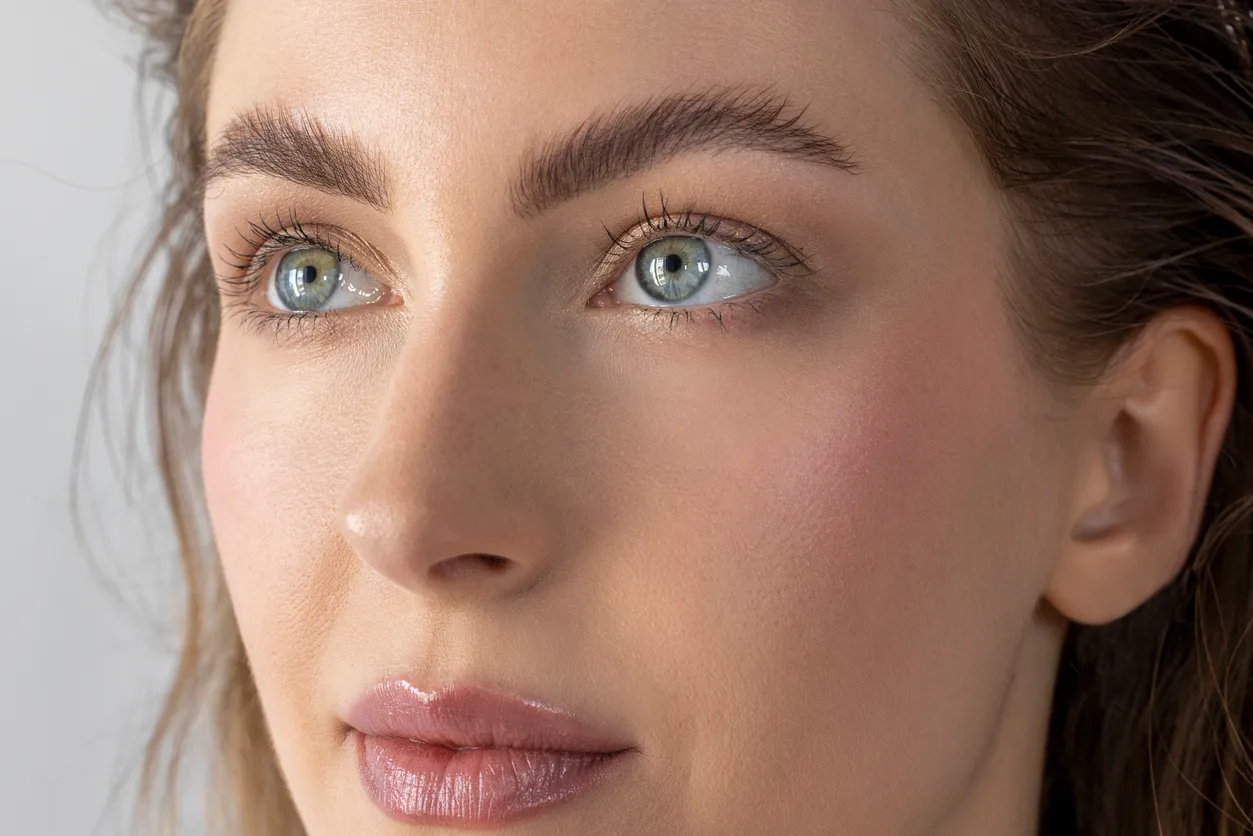 [ PROCEDURE · OVERVIEW ]
 What is Upper Eyelid Lift / Blepharoplasty Bellevue?
Upper blepharoplasty is one of the most commonly performed facial plastic procedures in the United States. It addresses the cosmetic and, in some cases, functional consequences of upper-eyelid skin redundancy — known clinically as dermatochalasis. With time, the upper-eyelid skin loses elasticity and the orbital septum weakens, allowing the eyelid to develop a fold of redundant skin that can drape over the natural lid crease, settle against the lashes, or, in more advanced cases, intrude on the upper visual field.
An upper eyelid lift removes the precise amount of redundant skin needed to restore a clean, anatomically correct lid platform. Where appropriate, a thin strip of orbicularis muscle and a small amount of medial or central fat may also be addressed to refine contour. The objective is to reset the upper-eyelid relationship — skin, crease, and brow — without subtracting volume that the eye region needs to look natural.
At the Bellevue practice, upper blepharoplasty is positioned as an anatomically conservative procedure: just enough skin removed to achieve a clear lid platform and a comfortable crease, never enough to hollow the eye or lose the soft transition between lid and brow. Dr. Yang's approach mirrors the modern blepharoplasty literature, which has shifted decisively away from aggressive skin-and-fat removal toward conservative, contour-preserving technique.
Ideal Candidates
Upper blepharoplasty in Bellevue is most often considered by adults — typically from the late 30s onward — who have visible upper-eyelid skin redundancy that affects either appearance, peripheral vision, or both. Common patient descriptions include "my eyes look tired even when I'm rested," "I can no longer see my lid space," "eye makeup doesn't sit where it used to," or "the skin feels heavy by the end of the day." Albert Yang, MD evaluates eyelid skin laxity, lid crease position, brow position, eyelid margin height (to rule out concurrent ptosis), tear-film quality, and overall facial proportion at consultation.
Patients who are not ideal candidates include those whose primary issue is a low-positioned brow rather than excess eyelid skin — these patients are often better served by a brow lift, alone or in combination, because aggressive blepharoplasty under a descended brow can pull the brow even lower and create an unnatural appearance. Patients with significant true ptosis (a malposition of the upper-eyelid margin) require ptosis repair rather than skin-only blepharoplasty. Active dry eye, thyroid eye disease, uncontrolled hypertension, bleeding disorders, and certain medications may delay candidacy. Realistic expectations matter: an upper eyelid lift refreshes the upper third of the face but does not address crow's feet, lower-lid bags, dark circles, or volume loss in the temple or brow.
The consultation also helps differentiate isolated upper blepharoplasty from a combined plan. Many patients arrive thinking they need an upper lift and discover that a brow lift, lower lid procedure, or fat transfer would deliver a more proportional refresh. The right surgical plan is the smallest one that achieves the goal.
The Procedure & Technique
An upper blepharoplasty at the Bellevue practice begins with careful preoperative markings while the patient is seated upright with eyes open. The lower marking sits in the natural upper-lid crease — typically 8 to 11 millimeters above the lash line in most adult anatomy, individualized to the patient's existing crease. The upper marking is set conservatively, leaving sufficient skin between the eyebrow and the new crease so the lid still closes comfortably and the brow-lid interface remains soft. Most modern blepharoplasty protocols leave a minimum of approximately 20 millimeters of total skin between brow hair and lash line after closure to ensure functional eyelid closure.
The procedure is typically performed under local anesthesia with light oral or intravenous sedation. After local anesthetic infiltration, an ellipse of skin between the markings is excised. A thin strip of underlying orbicularis oculi muscle may be removed to refine the crease, and small medial or central fat pockets may be addressed conservatively when their prominence contributes to fullness. Dr. Yang's approach mirrors current best-practice convention: preserve fat where it supports a soft, youthful lid; address only what protrudes; and avoid sub-brow hollowing.
Closure is meticulous. Fine non-absorbable or fast-absorbing sutures are placed along the natural crease so the resulting scar lies precisely where the lid folds, becoming nearly imperceptible as it matures. Operative time for isolated upper blepharoplasty typically runs 45 minutes to 90 minutes; the procedure is performed bilaterally in the same session and is outpatient.
Considering Upper Eyelid Lift / Blepharoplasty Bellevue in Bellevue?
Recovery & Timeline
Recovery from an upper eyelid lift in Bellevue is generally faster and gentler than facelift or rhinoplasty recovery. The first 48 to 72 hours involve the most swelling and mild bruising along the upper lids; cool compresses, head elevation, and the practice's postoperative protocol manage these comfortably. Most patients describe the sensation as tightness rather than pain, and oral analgesia is rarely needed beyond acetaminophen.
By day 5 to 7, sutures are removed at a follow-up visit. Bruising has typically begun to resolve and most patients are comfortable in private settings, though residual swelling and pinkness along the incision line persist. By two weeks, the majority of patients return to office work and social activities; light makeup over the incisions is generally permitted around this point if the wounds are fully closed and dry. Subtle puffiness often persists for several more weeks and varies by time of day — most patients notice it more in the morning and less by evening as fluid clears.
Between weeks three and six, the incision line continues to refine, and most patients return to full unrestricted activity including resistance training around three to four weeks (slightly later for patients combining upper blepharoplasty with other facial procedures). Final settling — the point at which the crease reads as truly stable and the scar matures to its final appearance — typically takes three to six months. Sun protection along the incision line during this period meaningfully improves the long-term appearance of the scar.
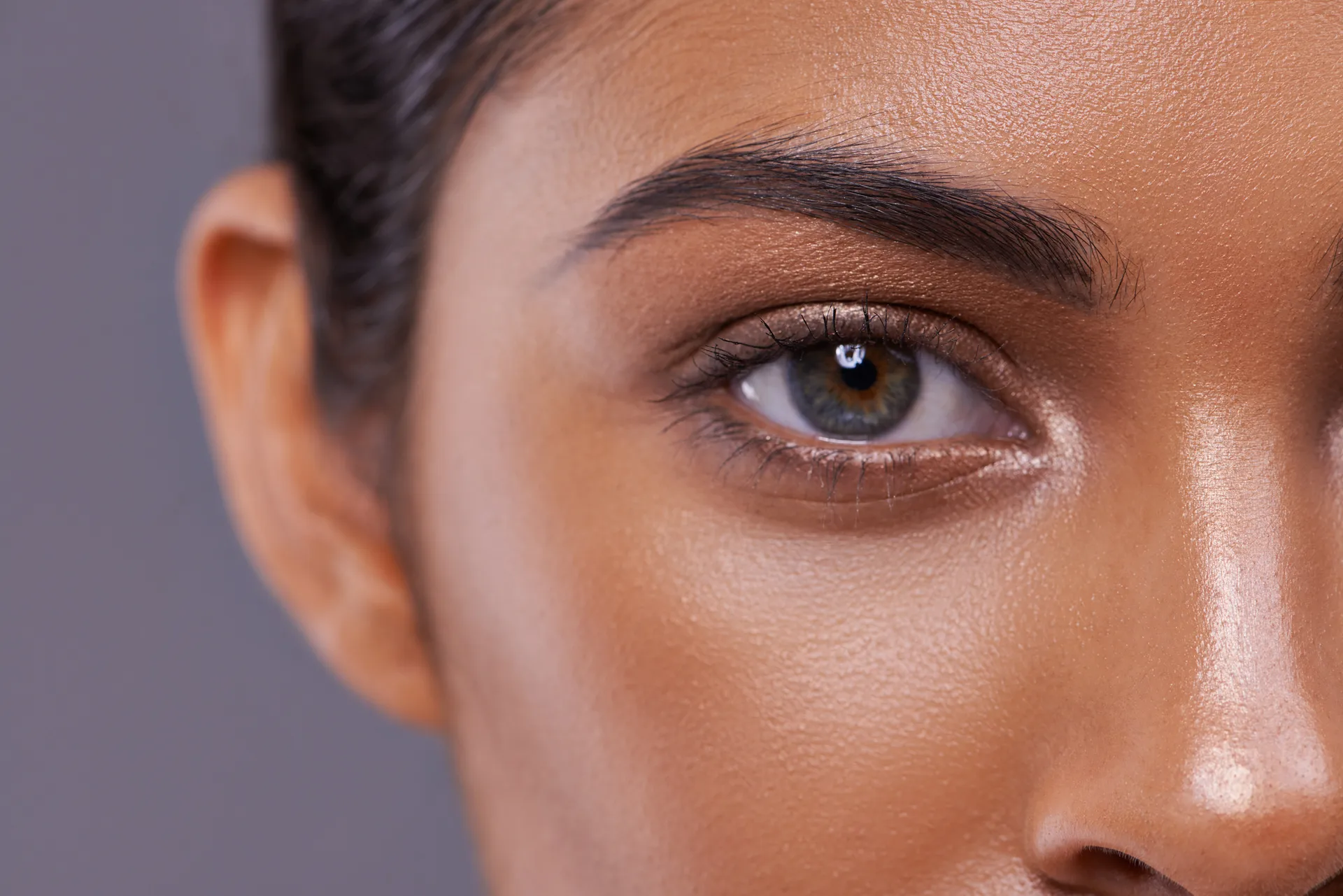 [ EXPECTED RESULTS ]
 Expected Results
Most patients who undergo an upper eyelid lift with Albert Yang, MD experience a clearer lid platform, a more visible upper-eyelid crease, and a rested, more open expression. Because the procedure addresses anatomy rather than expression, the patient's identity and emotional range remain intact — the same face, only less obscured by redundant skin. Many patients report that they look the way they feel for the first time in years.
In terms of longevity, results from upper blepharoplasty are typically considered long-lasting. The skin redundancy that was removed does not reappear at the same point on the lid; what does proceed is the normal aging of the surrounding tissue — brow position, forehead skin, and crow's-feet area. Most patients are comfortable with a single upper blepharoplasty for the better part of a decade or more, though the precise timeline varies with skin quality, sun exposure, smoking history, and brow behavior.
Outcomes vary based on starting anatomy, healing characteristics, and adherence to postoperative instructions. Dr. Yang frames expectations around what is realistic for the individual patient at consultation rather than around generalized averages, and is candid about whether an upper lift alone — or in combination with other facial work — is the most coherent plan.
Risks & Considerations
Every surgical procedure carries risk, and upper blepharoplasty is no exception. Common, generally self-limited issues include early swelling and bruising, transient asymmetry as the two sides settle on slightly different timelines, temporary dry-eye symptoms, and minor differences in crease height between sides that often equalize as healing matures. Less common but recognized risks include incomplete eyelid closure (lagophthalmos) — usually transient and managed with lubrication — wound healing irregularities, hypertrophic scarring along the incision line in patients predisposed, and small surface contour irregularities that can be addressed in office.
Rare but serious complications recognized in the blepharoplasty literature include retrobulbar hematoma (a bleeding event behind the eye that requires urgent attention), persistent dry eye, infection, and changes in eyelid sensation. The practice's preoperative protocol — including discontinuation of blood thinners and certain supplements where medically appropriate, careful intraoperative hemostasis, and clear postoperative instructions — meaningfully reduces these risks.
Patient selection is itself a form of risk management. An upper blepharoplasty performed under a descended brow can lower the brow further; a blepharoplasty performed on a patient with active dry eye or thyroid eye disease may worsen ocular symptoms; an aggressive skin or fat removal can hollow the lid in ways that are difficult to reverse. Dr. Yang's role is to recognize these patterns at consultation and to recommend the procedure — or combined plan — that fits.
Questions about Upper Eyelid Lift / Blepharoplasty Bellevue?
Talk with Dr. Yang.
Frequently Asked Questions
What is the difference between an upper eyelid lift and a brow lift?+
An upper eyelid lift addresses redundant skin (and small fat or muscle adjustments) on the upper lid itself. A brow lift repositions the brow, which sits above the lid. The two procedures address different anatomy, and the right choice depends on whether the underlying problem is excess lid skin or a descended brow. Sometimes both contribute, in which case a combined plan is appropriate. Aggressive blepharoplasty performed under a descended brow can lower the brow further, which is why careful candidacy assessment is critical.
Will the scar be visible after upper blepharoplasty?+
The incision is placed precisely in the natural upper-lid crease, where the skin folds with every blink. As the scar matures over three to six months, it typically becomes very difficult to see in normal social distance. Sun protection during healing, careful wound care, and patient skin type all influence the final appearance. The practice provides specific scar-care guidance at each postoperative visit.
How long is recovery from an upper eyelid lift?+
Most patients return to office work in roughly 7 to 14 days. Sutures are removed at day 5 to 7, visible bruising typically resolves within 10 to 14 days, and most patients are comfortable in social settings with light makeup at the two-week mark. Final settling of the crease and full maturation of the scar takes three to six months. Recovery varies with age, tissue quality, and adherence to postoperative instructions.
Can upper blepharoplasty improve my vision?+
When upper-eyelid skin redundancy is severe enough to drape over the lashes and intrude on the upper visual field, removing it can meaningfully improve peripheral vision in the upper field. This is sometimes documented with formal visual-field testing. Many patients who pursue an upper lift for cosmetic reasons report a secondary improvement in functional comfort — less heaviness at the end of a long day. Whether insurance covers any portion is a separate, plan-specific conversation handled outside the cosmetic consultation.
What anesthesia is used for an upper eyelid lift?+
An upper eyelid lift in Bellevue is most often performed under local anesthesia with light oral or intravenous sedation. This is comfortable, has a quick recovery profile, and avoids the additional considerations that come with general anesthesia. General anesthesia may be appropriate if upper blepharoplasty is combined with larger procedures such as a facelift or brow lift; the choice is reviewed at the preoperative visit.
Can upper blepharoplasty be combined with other procedures?+
Yes. Upper blepharoplasty is often combined with a brow lift (for descended brow), lower-lid blepharoplasty (for lower-lid bags or hollows), facial fat transfer (for periorbital volume loss), or facelift (for lower-face concerns). Combining adjacent procedures is appropriate when the overall plan calls for it. Dr. Yang plans combinations conservatively so total operative time, anesthesia exposure, and recovery burden remain reasonable.
How long do upper blepharoplasty results last?+
Upper blepharoplasty results are generally considered long-lasting; most patients are comfortable with a single procedure for the better part of a decade or more. The surrounding tissue continues to age — brow position, forehead skin, crow's-feet area — but the redundant lid skin that was removed does not return at the same point. Sun protection, healthy skin care, and avoiding smoking all support a longer perceived duration of result.
Serving Bellevue & the Eastside
Upper blepharoplasty at Albert Yang Facial Plastic Surgery serves patients across the Eastside. The practice is located at 15600 NE 8th St, Suite A-8, Bellevue, WA 98008. Drive times below reflect typical non-rush conditions to the Bellevue clinic.
Bellevue+
Bellevue patients reach the clinic in minutes, which makes the close-cadence first-week visits after upper blepharoplasty straightforward — suture removal, the early swelling check, and any in-office adjustments fit comfortably around in-city routines. Bellevue residents who live near the clinic also have the option of resting at home immediately after surgery rather than booking a recovery suite. Many upper blepharoplasty patients prefer this for the privacy and continuity of an outpatient eyelid recovery.
Clyde Hill+
Clyde Hill is a 5- to 8-minute drive to the Bellevue practice. Upper blepharoplasty candidates from Clyde Hill often appreciate the option of an unhurried consultation, with thorough exam and review of crease and brow position. Postoperative visits are easy to coordinate around personal and professional schedules. For Clyde Hill patients who travel for work, virtual check-ins are available for later-stage upper-eyelid recovery once initial wound healing has been confirmed in person.
Medina+
Medina is 5 to 8 minutes from the Bellevue practice. Patients considering an upper eyelid lift in Bellevue from Medina value the short drive on the day of surgery and during early follow-up. The practice maintains a calm, private clinic environment and can stagger appointment times for patients who prefer to enter and exit discreetly during the early visible-bruising phase of upper blepharoplasty recovery. Virtual review is available for later visits when healing is on track.
Issaquah+
Issaquah patients reach the Bellevue clinic in roughly 15 to 20 minutes via I-90. For upper blepharoplasty candidates, this is well within the comfortable range for a same-day procedure under local anesthesia with light sedation and a planned ride home. The practice keeps the early postoperative visits in person and offers virtual review for later check-ins where appropriate. Issaquah patients often combine their consultation and pre-operative visit on a single trip to limit travel during the planning phase of an upper eyelid lift.
Mercer Island+
Mercer Island patients reach the Bellevue clinic in roughly 8 to 12 minutes via I-90, making the upper blepharoplasty consultation, surgery day, and follow-ups straightforward. The practice can coordinate ride arrangements for the day of surgery, since the light sedation typically used for upper eyelid lift requires a planned ride home. Mercer Island's quiet streets are well suited to short walks during the early eyelid-recovery window — light circulation without strain on swelling.
Sammamish+
Sammamish patients reach the Bellevue clinic in roughly 12 to 18 minutes via I-90 or SR-202. Upper blepharoplasty consultations can be scheduled in a single appointment block to limit travel. For postoperative visits, the practice keeps the early-week checks in person and offers virtual review for later visits when wound healing allows. Sammamish patients planning an upper eyelid lift often combine the surgery date with a few days of focused at-home recovery before returning to local routines.
Redmond+
Redmond patients reach the Bellevue clinic in approximately 12 to 15 minutes via SR-520. Upper blepharoplasty consultations are typically scheduled in a single block to reduce travel, and the early postoperative visits — suture removal at day 5 to 7 and the first contour check — are kept in person. Virtual follow-ups are available for Redmond patients in later weeks when wound healing permits, keeping recovery on track without unnecessary driving during peak commute windows.
Yarrow Point+
Yarrow Point sits roughly 5 to 7 minutes from the Bellevue clinic, an easy approach for upper blepharoplasty consultations and for the close-cadence postoperative checks. Many Yarrow Point patients prefer in-person visits during the first two weeks after upper blepharoplasty; for later check-ins, the practice can convert to virtual review once incisions are stable. The discreet character of Yarrow Point makes early upper-eyelid recovery comfortably private.
Hunts Point+
Hunts Point is approximately 5 to 7 minutes from the Bellevue clinic by car. The proximity is well suited to upper blepharoplasty recovery, which benefits from the day-7 suture removal and the practice's brief in-person follow-up cadence over the first two weeks. Hunts Point patients can keep visits close, take quiet walks at home, and avoid the stress of a long drive while bruising and swelling resolve along the upper lid.
Kirkland+
Kirkland is roughly 12 to 15 minutes from the Bellevue clinic via I-405. Upper blepharoplasty candidates from Kirkland often prefer to schedule consultation, surgery, and key follow-ups outside peak commuting hours; the practice accommodates these requests where possible. Virtual check-ins are available after the second postoperative week when in-person review of wound healing is no longer time-sensitive, allowing Kirkland patients to focus on rest rather than logistics during early upper-eyelid recovery.
Related Procedures
If you are considering an upper eyelid lift, the practice often discusses adjacent options that may complete the periorbital plan.
Lower Eyelid Lift
For lower-lid bags, hollowing, or skin redundancy below the eye that an upper lift does not address.
Endoscopic Brow Lift
When a descended brow is the underlying issue, a brow lift may deliver a more proportional refresh than an upper lift alone.
Facial Fat Transfer
Restores volume in the upper-lid sulcus, brow, and temple when periorbital hollowing accompanies skin redundancy.